You have 0 items in your cart

In recent years, the cosmetics industry has seen a transformative shift towards inclusivity and diversity. This evolution reflects broader societal changes and a growing demand from consumers for products that cater to a wide range of skin tones, identities, and needs. Brands are not only responding to these calls with new products but are also reshaping their marketing strategies and corporate cultures. Here’s how the cosmetic industry is embracing diversity:
Expanded Product Ranges
One of the most visible signs of this shift is the broadening of product ranges to include a more diverse palette of skin tones. Historically, many brands offered a limited selection of shades, primarily catering to lighter skin tones. This changed dramatically with the launch of Fenty Beauty by Rihanna in 2017, which debuted with 40 shades of foundation. The brand’s success demonstrated a clear market demand for greater diversity, prompting established companies like L’Oréal and Estée Lauder to expand their own offerings.
Inclusive Marketing
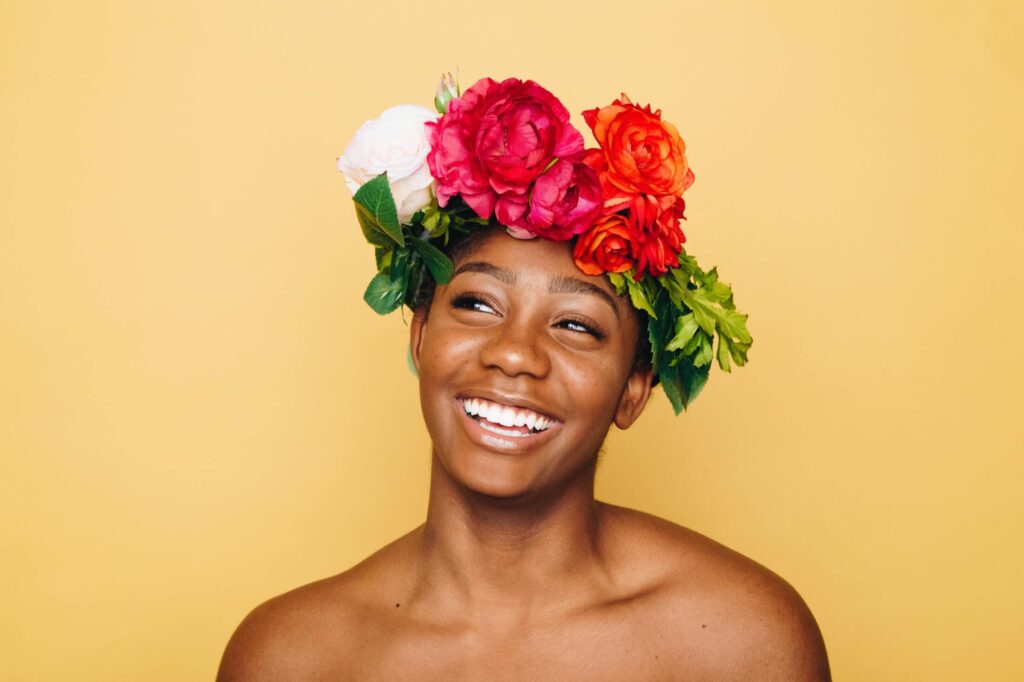
Alongside product expansion, there has been a significant change in how brands market their products. Inclusive marketing is now at the forefront, featuring models of various ages, races, genders, and body types. This approach not only helps consumers see themselves reflected in advertising but also strengthens the emotional connection with the brand. Campaigns like Dove’s “Real Beauty” and CoverGirl’s diverse lineup of ambassadors, including James Charles, the first male CoverGirl, exemplify this trend.
Corporate Responsibility
Diversity and inclusion are also becoming integral to corporate governance within the cosmetics industry. More companies are appointing Chief Diversity Officers and investing in training programs to ensure a more inclusive corporate culture. This internal change is critical as it influences every aspect of operations, from product development to marketing and customer service.
Collaboration with Influencers
Social media influencers are playing a pivotal role in promoting diversity in the cosmetics industry. Brands are collaborating with influencers from diverse backgrounds to reach a wider audience and to tap into their insights on what diverse consumers need. Influencers like Jackie Aina have partnered with major brands to improve and critique their shade ranges, ensuring that products meet the nuanced needs of consumers.
Sustainable and Ethical Practices
The push for diversity goes hand-in-hand with a demand for sustainability and ethical production practices. Consumers today expect brands to be socially and environmentally responsible. As a result, more companies are committing to cruelty-free testing, sustainable sourcing of ingredients, and ethical labor practices. These changes are not only good for the planet but also resonate well with a diverse customer base that values social responsibility.
Conclusion
The cosmetics industry’s embrace of diversity reflects a broader shift towards inclusivity and equity across sectors. By expanding product lines, adopting inclusive marketing strategies, implementing robust diversity policies, and engaging with diverse groups of influencers, cosmetic brands are setting a new standard for the industry. This transformation shows a commitment to catering to all consumers, irrespective of their background, and highlights the importance of diversity in driving innovation and growth in the beauty sector.